Taste and How to Nurture It
3rd March, 2026
Taste is your unique metric or standard for measuring quality in a product or the ability to see beyond the obvious and recognise what elevates 1 .
It is all-encompassing as it crosses several disciplines not only related to design. Architecture, interior design, photography, music, you name it.
Taste shows up everywhere and it is inherent when it isn’t. It’s less about guesswork and gut feelings but more about tools needed to understand complexity. Every little detail you unpack is like a reward 2 .
Taste should not be secluded into a box nor used to separate, it should be used to solve problems in creative ways 3 . It is used as a medium to realise the values and depth needed to separate quality from slop [or mediocrity or quantity]. It is why anyone saying you can’t learn taste is lying or baiting you 4 .
Has it always been important?
Taste has come up so much in tech and design nowadays that there’s really nothing much to add to the general discourse. This essay reflects on my journey in building my taste and slowly growing from someone playing around with Photoshop to working as a design engineer today.
Taste has always existed but its resurrection in tech and design discourse can be tied to the current landscape of LLM tools for design and engineering work, particularly tools such as V0 and Lovable to visualise and build products.
The problem here is the ease of utilisation of such tools, because what differentiates your idea or mine from yours if we’re using the same tools to generate the look and feel for our product or idea 5 . The answer is taste. It’s the differentiator and has always been the differentiator.
How to nurture taste.
Taste can always be developed and honed. I think there are 2 steps to developing good taste in design.
-
Studying the world.
-
Create Create Create.
Studying the world
This stage involves critical observation of the world around you. Think books, people, music, architecture, interior design; the possibilities are endless. Anything that has no direct relationship to your field of design, the better. Train your mind to not just observe but question why things are the way they are.

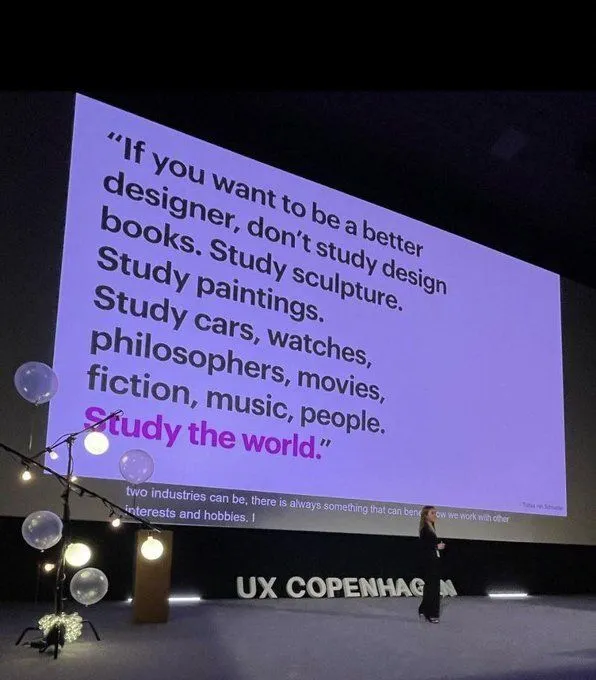
Create Create Create
The creation stage is where the actual designing takes place. This is where your inspirations and observations meet the intimidating blank canvas and your ideas start to take shape.
At this stage it’s important to not be perfect as quantity is the most important factor. Coming up with multiple variations is key as that gets you to go far and wide while exploring multiple options, styles without committing to one.
Two key tips for this stage are:
-
to just make something even if it’s not good 6 and
-
to not try to come up with ideas from scratch but look at products or design you like and recreate them in different styles. Think using the layout from A with the typography of B and the colour palette of C.
Endless Student Syndrome
When learning, it is important to be aware of the Eternal Student Syndrome 7 . This is the repetitive cycle of getting lost in constantly learning and relearning without application whereby the knowledge you’ve gained cannot be solidified into something you’ve made or created.
It’s a treacherous cycle that can hinder your progress of studying others’ works. Making your own spin on others’ works teaches you the fundamentals and you use that to apply to your own creations and spin out what is truly yours.
There’s a saying that the key to being creative or generating ideas is that it’s not to come up with one idea, but to come up with a bunch of ideas and one will eventually stick with you and you use that as the basis for your work.
My journey in developing my taste
When I started learning graphic design by myself, I would look at Pinterest and think design was just those pretty visuals and designs but couldn’t understand why.
Eventually I started to recreate some of the designs I saw and customised them but I noticed something — there was always something wrong and they looked a bit off every time.
This went on for several months until my YouTube algorithm started to recommend design videos about grids, typography and colours.

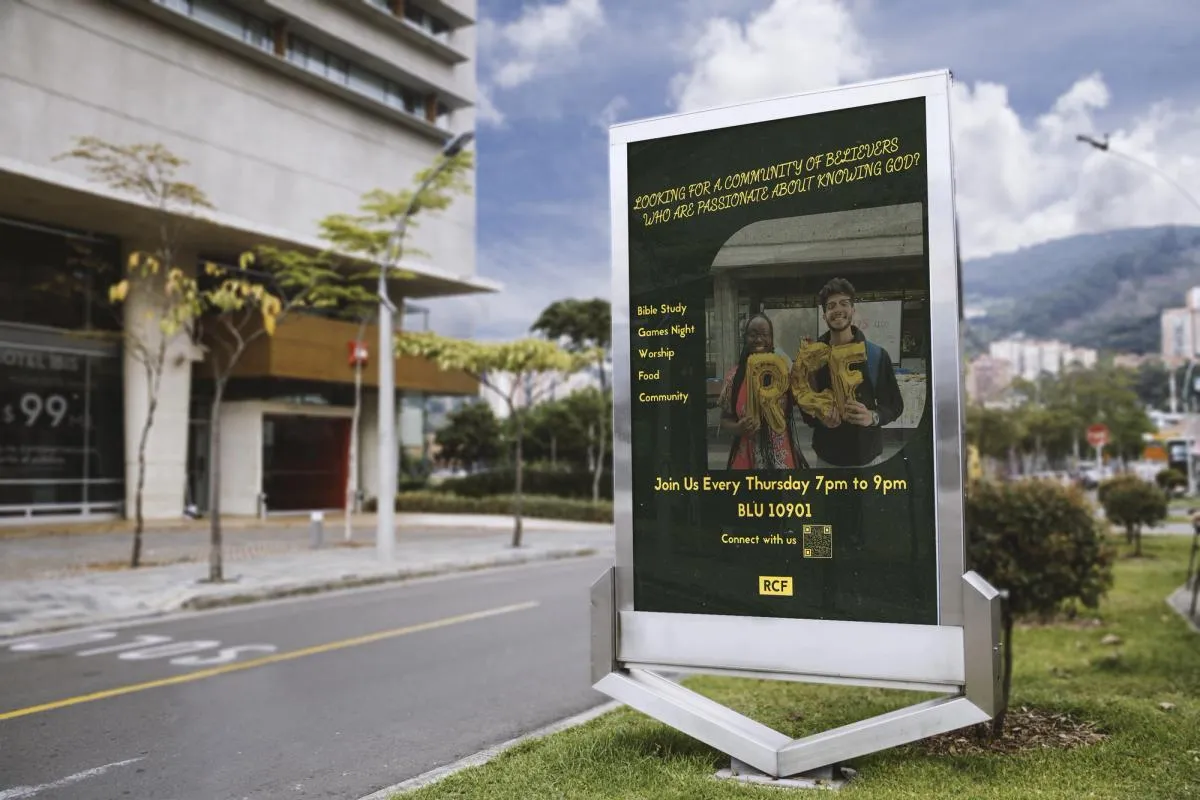
This was when I saw my taste truly change and evolve because I started noticing and observing when things weren’t aligned properly, colours didn’t feel right or when the pieces of the design didn’t work well together or fit the narrative I was trying to convey.
This changed how I look at design as I started to put more emphasis on the why and how behind what I was designing and the audience it was for.
More importantly it helped me bring in different elements from other designs into my work and place a conscious effort into thinking before I design.
It helps me as I design and it makes it fun to see the process from idea → visual inspiration/ references → final design.
I also think that captures why we all fall in love with design — it’s very fun and it looks easy but just because it looks easy does not mean it isn’t hard in practice.

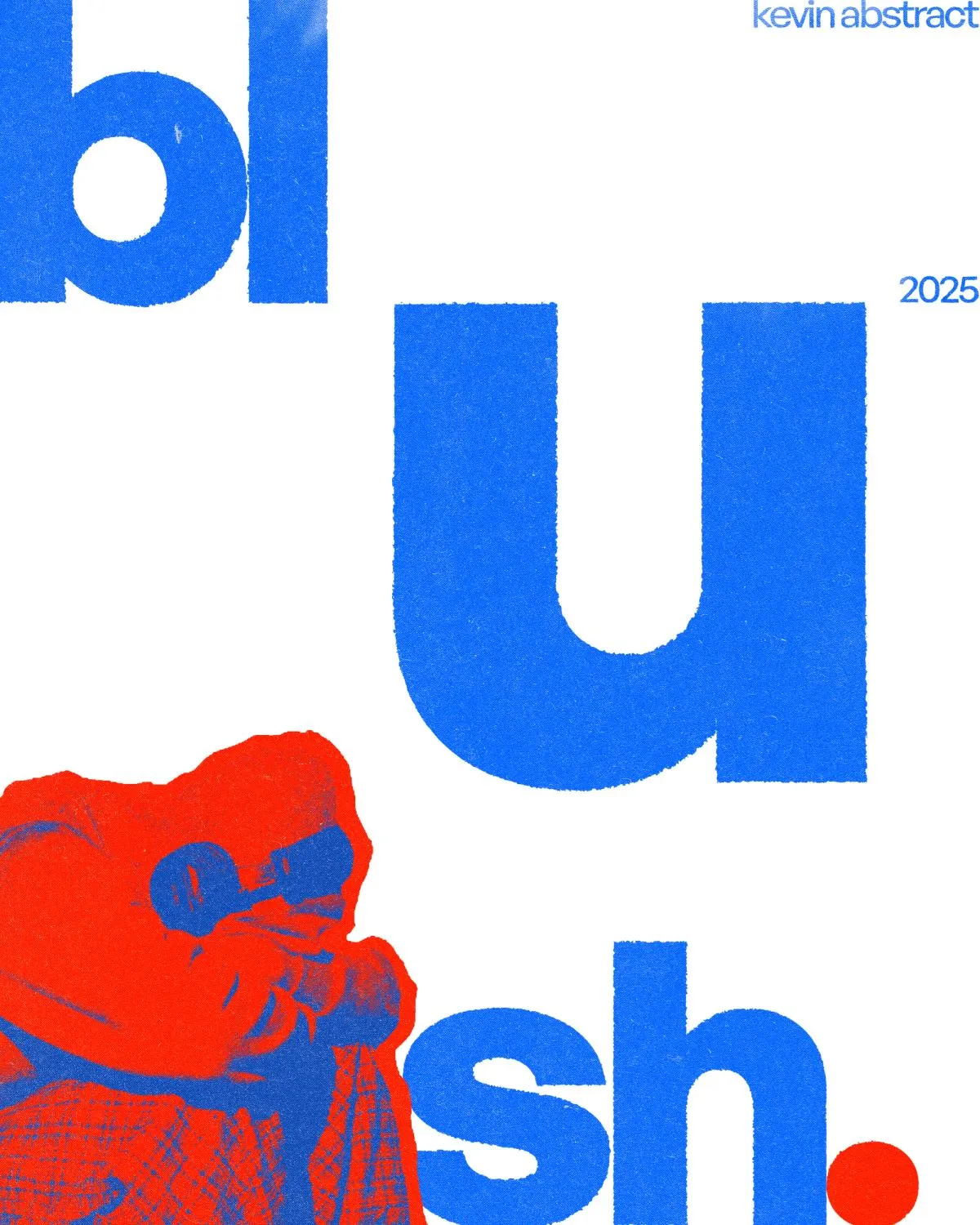
After building and recreating, I always suggest keeping a personal inspiration archive.
Not for anyone other than yourself so that you can always have your own design knowledge base of sorts to go back to when you feel like making something new or are suffering from burnout — because, trust me, it will happen eventually.
Your taste should evolve as you evolve
Taste is something that we are constantly developing and honing. The key things are to always be willing to learn (explore the what, why and how) and questioning everything.
If you don’t agree with a certain design decision, the why behind it is more important than why you like it and being able to convey why you do not like it makes your opinion tasteful, not critical.
Always be willing to learn as there will always be people more knowledgeable than you and life-long learning is a skill that sets you apart very early.
No knowledge gained is wasted - My mom